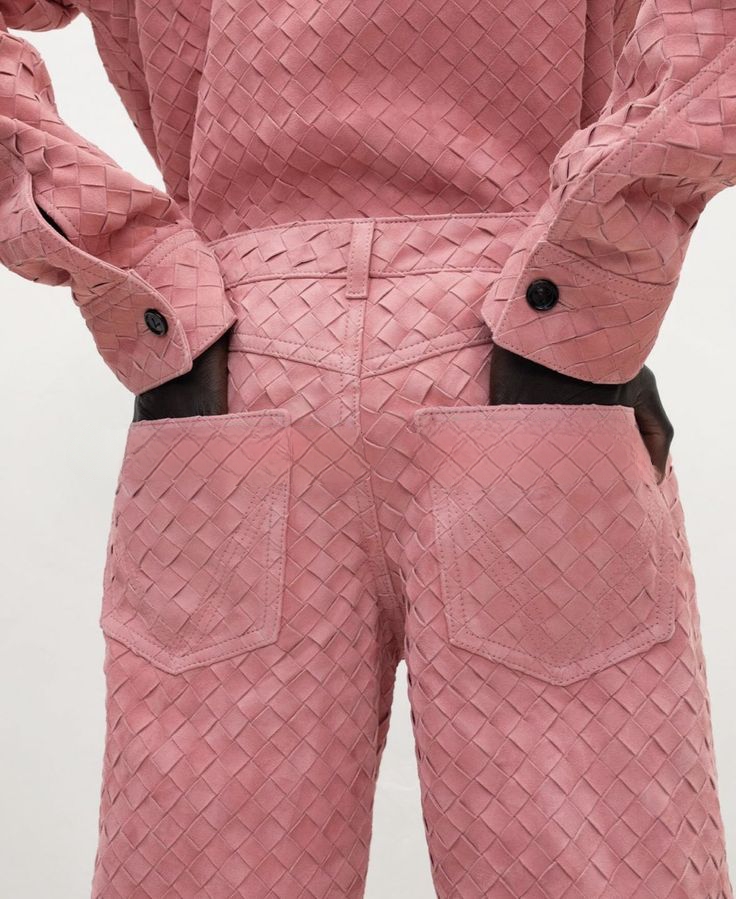
Digital presence is everything for any brand looking to grow today. Every label carefully tailors its positioning, agonises over every post like it's a press release, curates its online identity down to the last pixel. And then there's Bottega Veneta — who looked at all of it, and deleted theirs. The reason was simple, and very Bottega: exclusivity.
Daniel Lee, the creative director who transformed Bottega Veneta into one of the most covetable houses of his generation, was clear about the problem — social media had made everything look the same. Same aesthetic, same formats, same algorithm. For Bottega, a house that built its entire identity on quiet obsession and craft, that was unacceptable. They weren't just selling bags. They were selling the feeling that not everyone could have them. And you can't sell exclusivity from the same feed as everyone else.
"You can't sell exclusivity from the same feed as everyone else."
The deletion caused chaos. The industry couldn't make sense of it — a brand at the height of its cultural moment, walking away from 2.5 million followers without a word. But that confusion was exactly the point. Bottega Veneta had just made itself the most talked about brand in fashion without posting a single thing.
In Bottega's absence, the internet filled the void itself. Fan accounts emerged overnight, curating looks, archiving pieces, documenting the obsession — unpaid, unsolicited, and more authentic than anything a marketing team could produce. @newbottega, run independently by Laura Nycole, grew to 1.6 million followers. Kering CEO François-Henri Pinault later confirmed this was never accidental. "Bottega has decided to lean much more on its ambassadors and fans," he said, "letting them speak for the brand rather than doing it itself."
The results spoke for themselves. Bottega Veneta's brand heat surpassed other high fashion houses by 70%, sales rose 19% in North America and 17% in Western Europe — all without a single official post. The deletion hadn't hurt the brand. It had made it untouchable. And perhaps most quietly brilliant of all — by letting their community do the talking, Bottega effectively handed their marketing budget back to themselves. When a brand is built with enough conviction, loyalty doesn't need to be manufactured. It arrives on its own.
"When a brand is built with enough conviction, loyalty doesn't need to be manufactured. It arrives on its own."
Bottega Veneta's story is ultimately a lesson in self-awareness. Knowing who you are, who your customer is, and what your brand stands for — with enough conviction to make a decision the entire industry thought was madness. Not every brand can do what Bottega did, but every brand can learn from why it worked. In luxury, identity is the strategy. And when you protect yours fiercely enough, the world will do the rest.